By YiMaster
Have you ever wondered what gives Feng Shui its timeless power to harmonize spaces and transform lives? The answer lies in the profound wisdom of Taoism—an ancient Chinese philosophy that has shaped Feng Shui for over 2,500 years. Today, we’ll dive into the spiritual roots of Taoism and discover how its core principles define the art of Feng Shui.
The Essence of Tao: Nature’s Universal Law
Taoism, founded by Lao Tzu in the 6th century BCE, revolves around the concept of “Tao” (道), meaning “the Way”—the invisible force that governs all natural laws. Taoists believe that harmony with nature and balance in energy (Qi, 气) are the keys to health, prosperity, and inner peace. This philosophy directly inspires Feng Shui, which aims to channel Qi by aligning environments with the rhythms of the universe.
Yin & Yang: The Dance of Balance
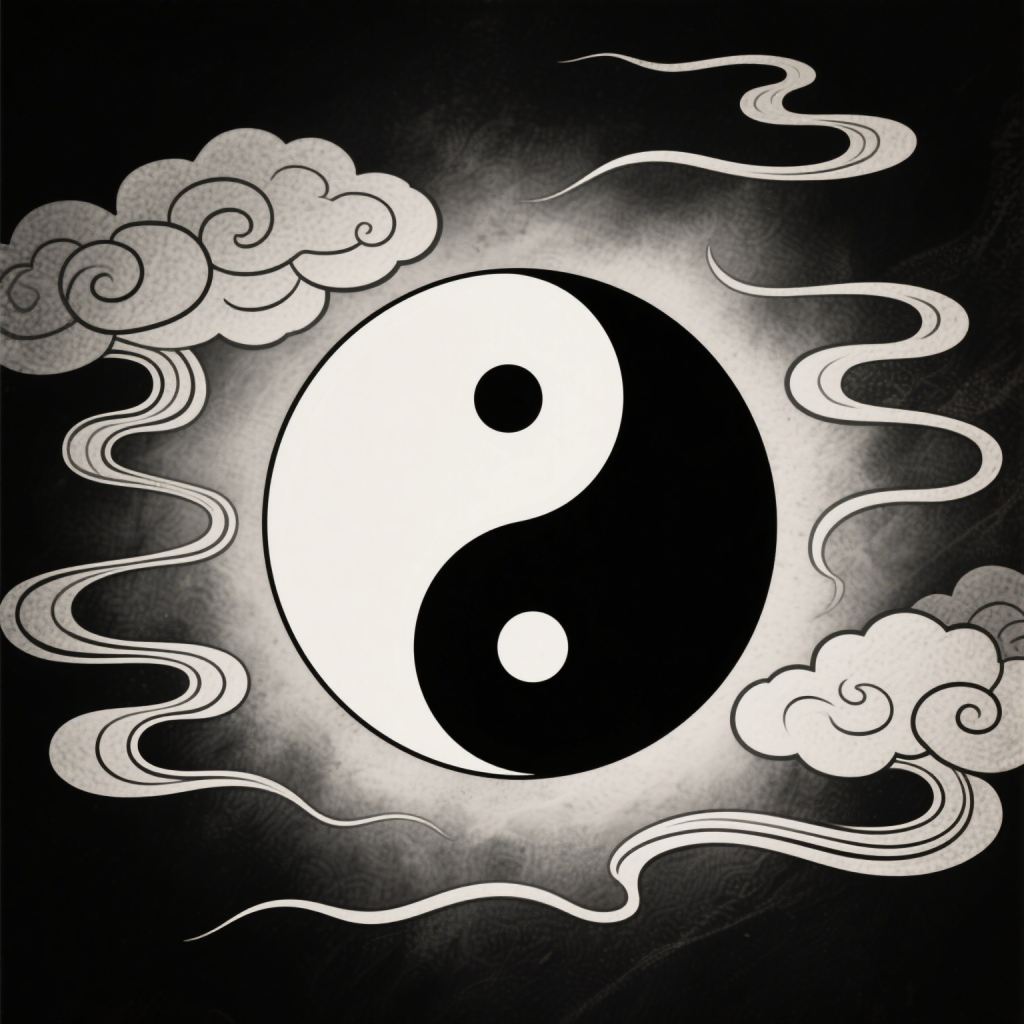
A central Taoist concept, Yin (阴) and Yang (阳) represent the dual forces of the universe—dark/light, passive/active, feminine/masculine. In Feng Shui, every space is analyzed through the lens of Yin-Yang balance. A home with too much Yang (harsh, chaotic energy) might feel stressful, while excessive Yin (stagnant, dull energy) can drain motivation. Feng Shui practitioners use elements like lighting, color, and layout to restore equilibrium, just as Taoism teaches harmony between opposing forces.
The Five Elements: Nature’s Building Blocks
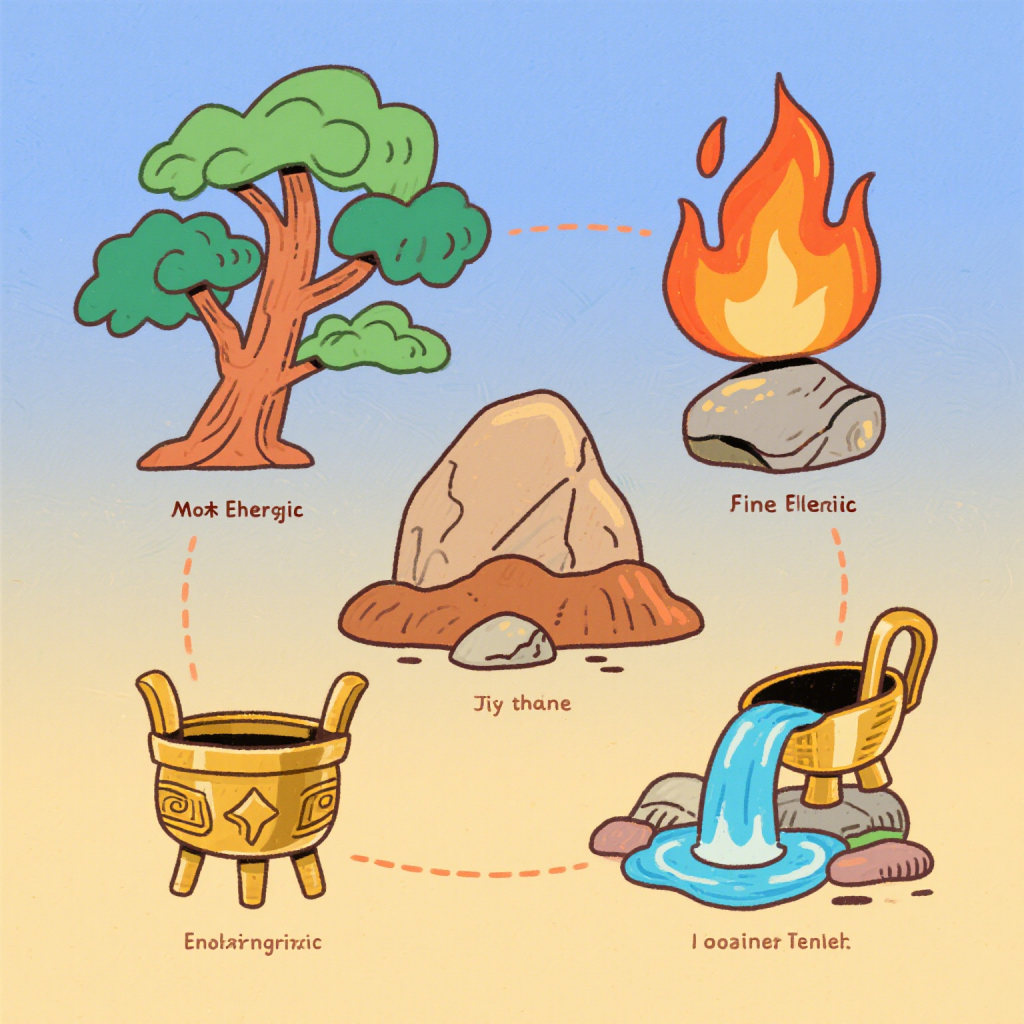
Taoism introduces the Wu Xing (五行), or Five Elements—Wood, Fire, Earth, Metal, and Water. These elements symbolize the cyclical patterns of creation and destruction in nature. In Feng Shui, they’re used to assess and enhance Qi flow:
- Wood (growth, vitality): Incorporate plants or wooden furniture.
- Fire (passion, energy): Use warm colors like red or triangular shapes.
- Earth (stability, grounding): Add square objects or natural stones.
- Metal (clarity, precision): Include metallic accents or round shapes.
- Water (calm, wisdom): Use fountains or blue decor.Balancing these elements creates a space that supports physical and emotional well-being, mirroring Taoism’s belief in nature’s interconnectedness.
Living in Tune with Nature
Taoism emphasizes “Ziran” (自然), meaning “naturalness” or living in alignment with nature’s rhythms. Feng Shui applies this by prioritizing natural landscapes—mountains (protection), water (abundance), and sunlight (vitality). A Feng Shui master, guided by Taoist principles, will evaluate a site’s topography, water flow, and orientation to ensure it coexists harmoniously with its environment, just as a Taoist hermit seeks unity with the mountains and rivers.
Why Taoism Matters for Modern Feng Shui
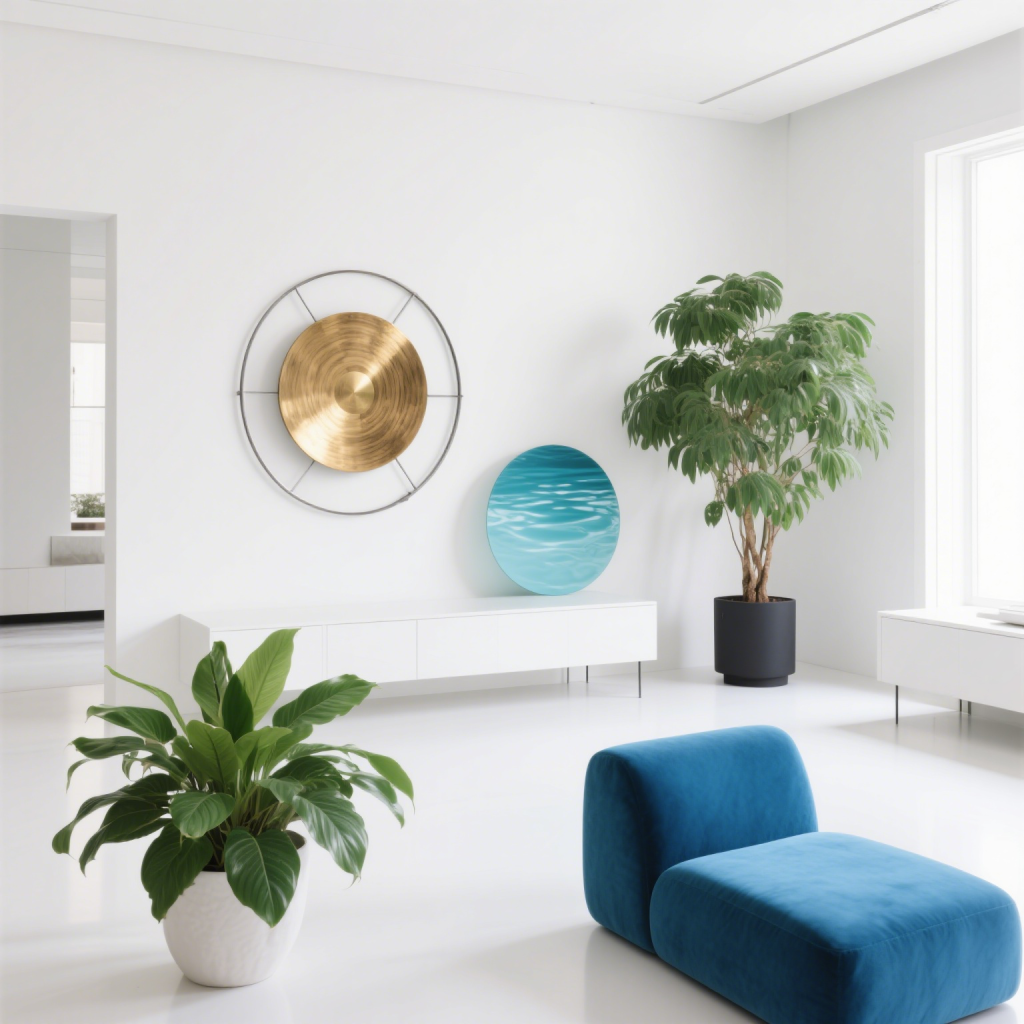
In a world dominated by technology and fast-paced living, Taoism’s teachings remind us to reconnect with nature and ourselves. Feng Shui, as its practical application, helps us create spaces that feel not just beautiful, but alive—spaces where Qi flows freely, supporting our goals and well-being. By understanding Taoism’s role in Feng Shui, we gain more than design tips; we embrace a philosophy of balance that transcends time and culture.
So, whether you’re arranging your home or office, remember: Feng Shui is not just about placement—it’s about honoring the ancient wisdom of Taoism, which teaches us to live in harmony with the world around us. Ready to transform your space? Start by asking: Does my environment reflect the balance of nature’s Tao?